Recycling and Sustainability at St Pancras Storage
 At St Pancras Storage, sustainability is not treated as a side note; it is part of how the site is run every day. Our approach to recycling and responsible operations is designed to reduce waste, support local circular-economy habits, and keep materials moving toward the right recovery routes. We aim to reach a 95% recycling and diversion target across our storage and operational waste streams, with careful sorting, reuse, and recovery helping us get there. That commitment means looking closely at what leaves the site, how it is separated, and where it goes next.
Because we operate in a busy London environment, our St Pancras storage sustainability strategy is closely aligned with the practical realities of the city. Different boroughs place different emphasis on waste separation, dry mixed recycling, food waste collection, and contamination control, so we keep our procedures flexible and compliant. In practice, that means separating cardboard, plastics, metals, and general waste at source wherever possible. It also means encouraging cleaner disposal habits that make downstream processing simpler for transfer stations and recycling facilities.
 A major part of our green storage approach is working with nearby local transfer stations that can sort and redirect collected materials efficiently. Using these facilities helps shorten transport distances and supports better recovery outcomes for recyclable items. Instead of sending mixed waste on long, carbon-heavy journeys, we focus on local handling routes that are better suited to London’s dense urban logistics. That local-first model strengthens the whole chain, from initial separation through to final processing.
We also recognise the value of reuse before recycling. Where items are suitable, we prioritise donation and redistribution through charity partnerships. These partnerships help furniture, household items, and office goods find a second life rather than becoming waste. In a city like London, where many organisations are focused on social impact as well as environmental responsibility, this kind of collaboration can make a real difference. It supports community groups while reducing the demand for new materials and lowering the volume sent for disposal.
The same principle applies to our handling of larger, more complex items. Materials that can be dismantled are separated into their component parts when practical, allowing wood, metal, plastic, and textiles to follow different recycling routes. This is especially relevant in areas where borough recycling systems increasingly promote clearer source separation and contamination reduction. By mirroring that local mindset, St Pancras Storage recycling practices remain compatible with the wider waste ecosystem across central and inner London.
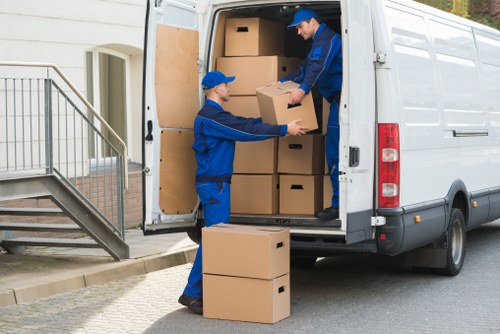 Transport is another important part of the sustainability picture, which is why we are moving steadily toward a low-carbon van fleet. These vehicles are chosen to cut emissions during local movements between storage operations, transfer points, and partner sites. As London continues to prioritise cleaner air and lower road emissions, low-emission or electric vans are a sensible fit for our day-to-day logistics. They allow us to keep collections efficient while shrinking the carbon footprint associated with routine journeys.
Our broader sustainability plan for St Pancras Storage recycling also includes smarter scheduling and load planning. Consolidating journeys reduces unnecessary mileage, while careful planning helps us avoid half-empty runs that waste fuel and time. This is particularly useful in central London, where traffic conditions, access restrictions, and delivery windows can quickly increase emissions if routes are not managed well. Efficiency is therefore both an environmental goal and an operational necessity.
In addition to vehicle improvements, we maintain a strong focus on waste prevention. That means using durable materials, encouraging reusables where possible, and making sure recyclable items are not contaminated by avoidable residues. London boroughs often set clear expectations around waste separation, and we reflect that approach by keeping streams distinct wherever practical. Cardboard is kept clean and dry, metals are collected separately, and mixed waste is reduced through better sorting habits. These measures support higher recovery rates and make our recycling at St Pancras Storage more effective.
We also see sustainability as a partnership-led effort. Charity partnerships are not only about donating surplus goods; they also help create a more thoughtful flow of materials. Items that no longer serve one user may still be valuable to another, and re-use remains one of the best outcomes in the waste hierarchy. Combined with local transfer stations and responsible recycling routes, these partnerships help us support both environmental goals and local communities.
 Another important part of our environmental approach is transparency in how waste is managed. We review performance against our recycling target regularly and look for opportunities to improve separation, reduce contamination, and increase reuse. A 95% target is ambitious, but it reflects the level of commitment we believe modern storage operations should show. We continue to refine our systems so that what can be recycled is recycled, and what can be reused is kept in circulation for longer.
Our low-carbon vans are a visible symbol of that commitment, but they are only one part of the wider picture. The real change comes from combining cleaner transport, local processing, reuse partnerships, and efficient waste separation. In practical terms, this means every stage of the operation is considered through a sustainability lens. Even small decisions, such as how materials are grouped or when a collection is scheduled, can influence the overall environmental impact.
 At St Pancras Storage, sustainability is built into everyday operations rather than added afterward. From recycling and reuse to low-carbon transport and local transfer stations, our goal is to keep resources moving in the most responsible way possible. As borough approaches to waste separation continue to evolve, we remain committed to adapting, improving, and supporting a cleaner future for the communities around us.